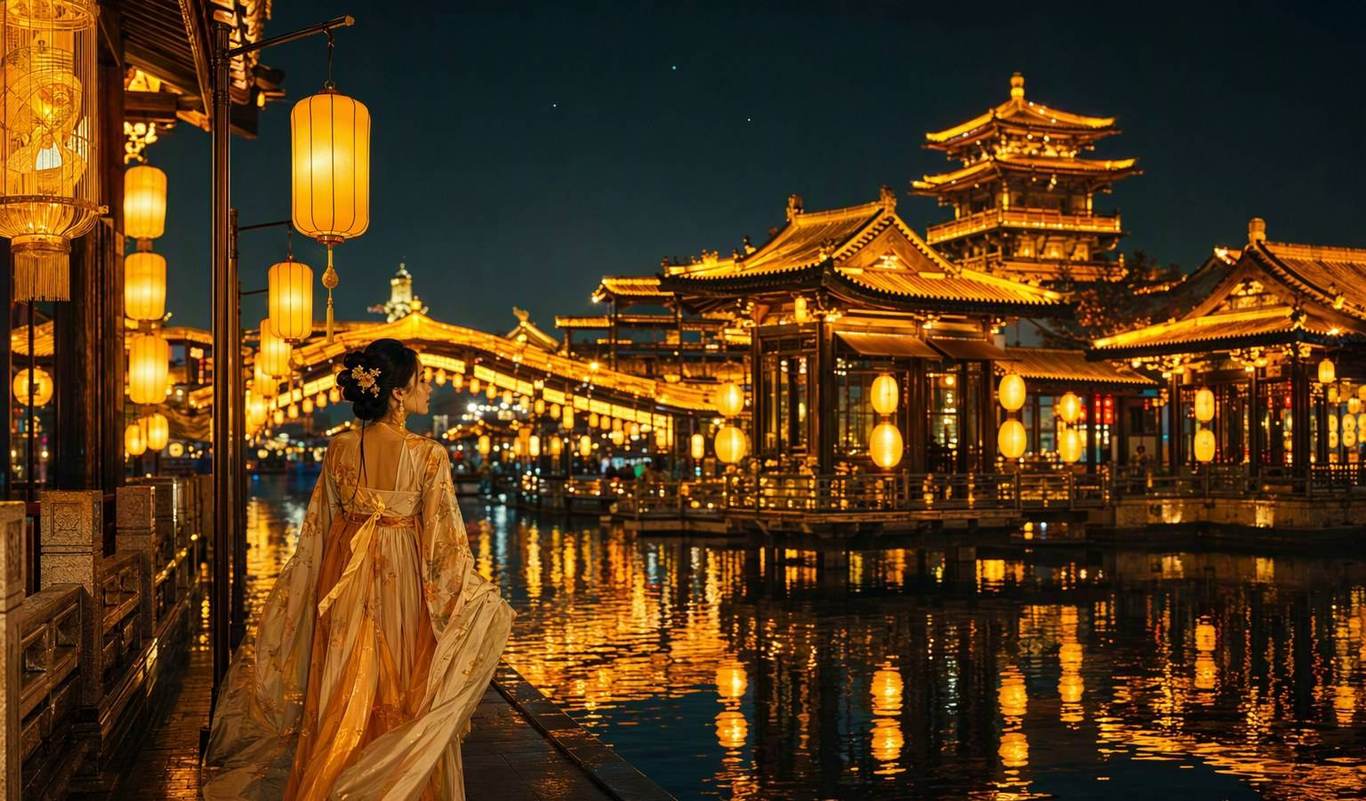
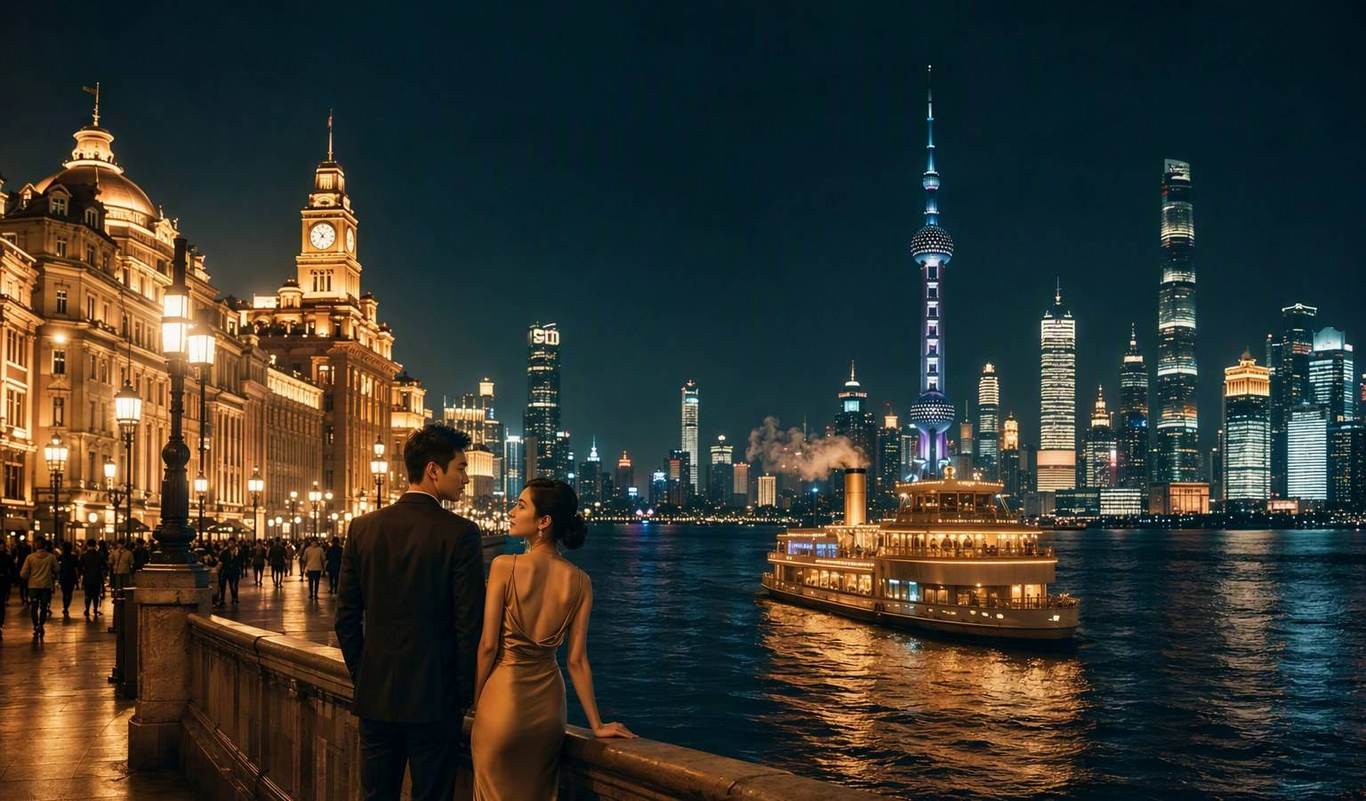
Private car and licensed driverOne English-speaking butler for the whole tripHigh-speed rail and domestic flights booked for youVisa and invitation-letter support
THE WHOLE COUNTRY, ONE VEHICLE

China private tour itineraries, built the way the country actually works

China is a continent with a government. The difference between a trip you describe for years and one you spend in terminals is not budget — it is sequencing. Here is how we route nine real journeys, what fits in seven, ten or fourteen days, and which months to be where.

Build my itinerary
34Provincial regions
9Routes we run most
4hMax rail leg we accept
24/7English emergency line
WHAT PRIVATE MEANS

What a private tour in China is, and what it is not

No coach, no forty strangers, no 6am start you did not agree to, and no shop that has paid for its place in the day.

The word gets used loosely, so here is the specific version. One vehicle with a licensed driver who is yours for the day. One English-speaking guide or butler who stays with your party across cities rather than being swapped at every border. A schedule that bends when you are tired, when the light is good, or when a restaurant you liked deserves a second visit. Timed museum entries booked under your names weeks ahead, because the good ones cannot be bought at the gate on the day.

What it does not automatically mean is luxury. A private tour with a bad planner is a comfortable car driving you to the wrong things at the wrong hours. The value is in the routing decisions — which wall section, which morning, which city you skip — and those are made long before you are in the vehicle.

The thing that actually ruins first trips

It is not the language barrier, and it is not the apps. It is distance. Beijing to Xi'an is 1,200 kilometres. Xi'an to Shanghai is 1,500. Guilin sits 1,700 south of Beijing. People build six cities into nine days because the places are famous, and then discover that every intercity move costs half a day once you add the transfer, the security queue and the arrival. Two anchor bases with day trips out will feel like a longer holiday than four cities made of arrivals.

So we start from the calendar and the geography, not the bucket list. Once the shape is right, the bucket list slots itself in — usually with room left over.

THE ROUTES

Nine private China itineraries we build most often

None of these is a fixed departure with a bus behind it. Each is a shape we start from and redraw around your dates, your party and your pace.

Classic China

8–10 DAYS
Beijing · Xi'an · Shanghai

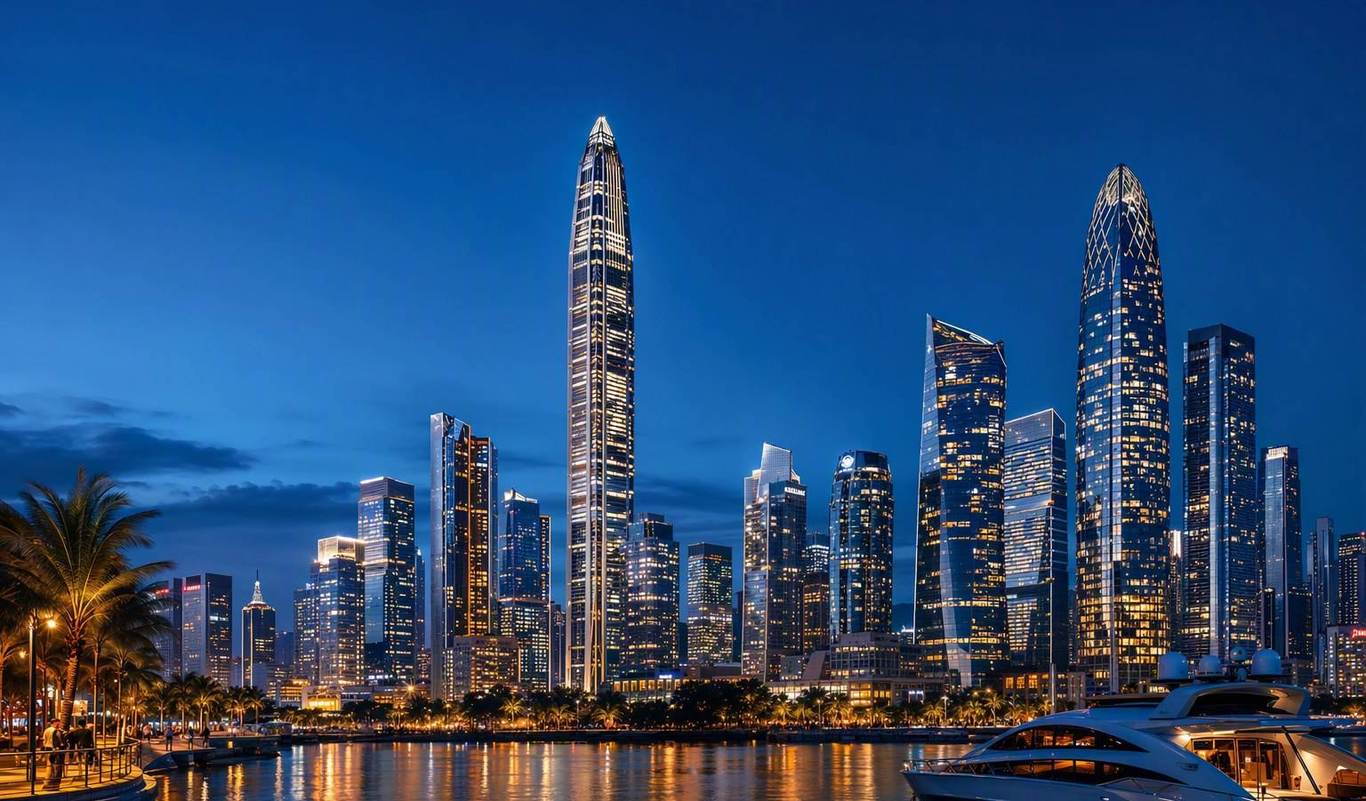
The default for a first visit, and for good reason: three cities that could not be more different, joined by two short rail legs and one flight. Imperial architecture, the terracotta army, then the world's most efficient skyline. Nine days is comfortable; seven is rushed but doable if you accept one big day.

Three dedicated pagesSee the Classic China page →

Imperial & Karst

12 DAYS
Beijing · Xi'an · Guilin · Yangshuo · Shanghai

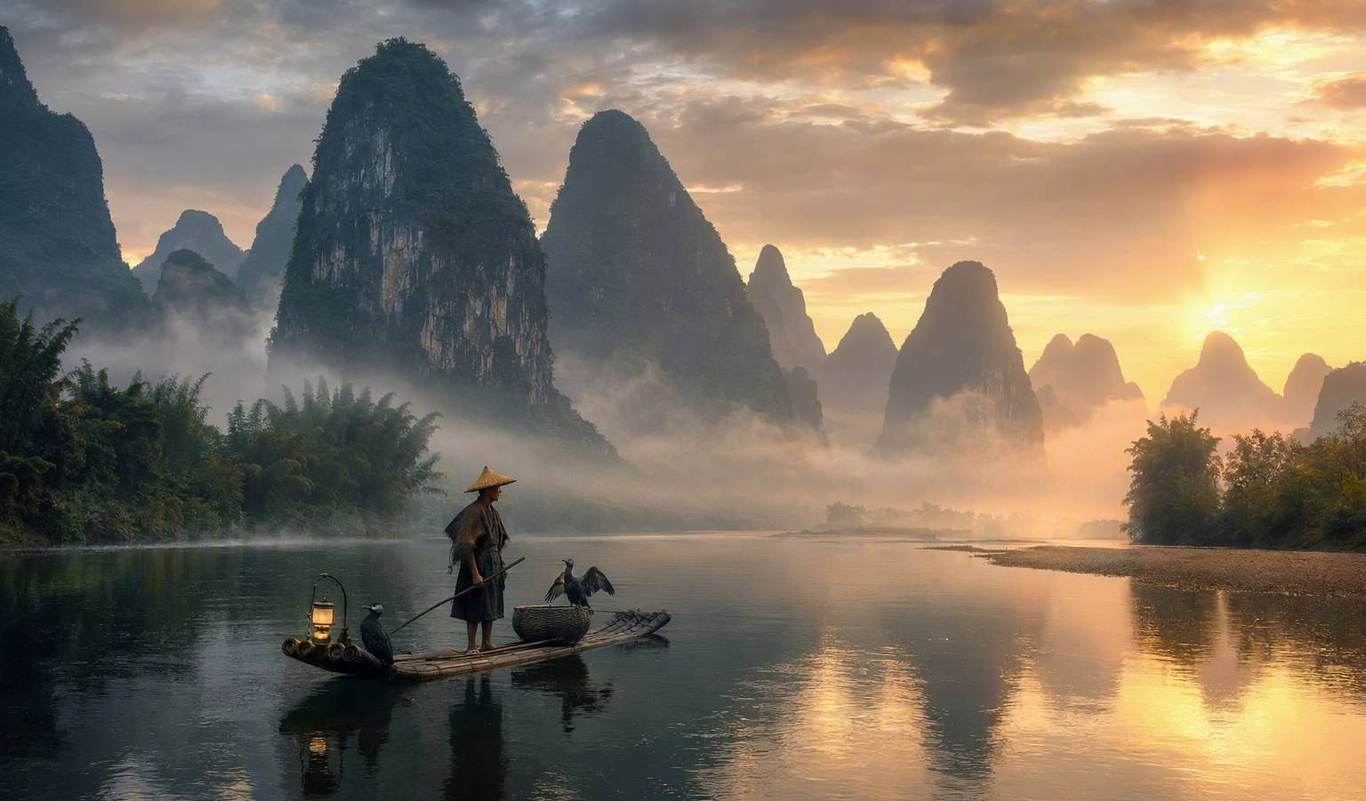
Adds the part of China that photographs badly because no photograph gets it right: the Li River karst towering over rice paddies and bamboo rafts. The southern leg changes the tempo of the whole trip — after eleven days of museums and monuments, you spend three days on a bicycle in a valley.

Highlands & Terraces

9 DAYS
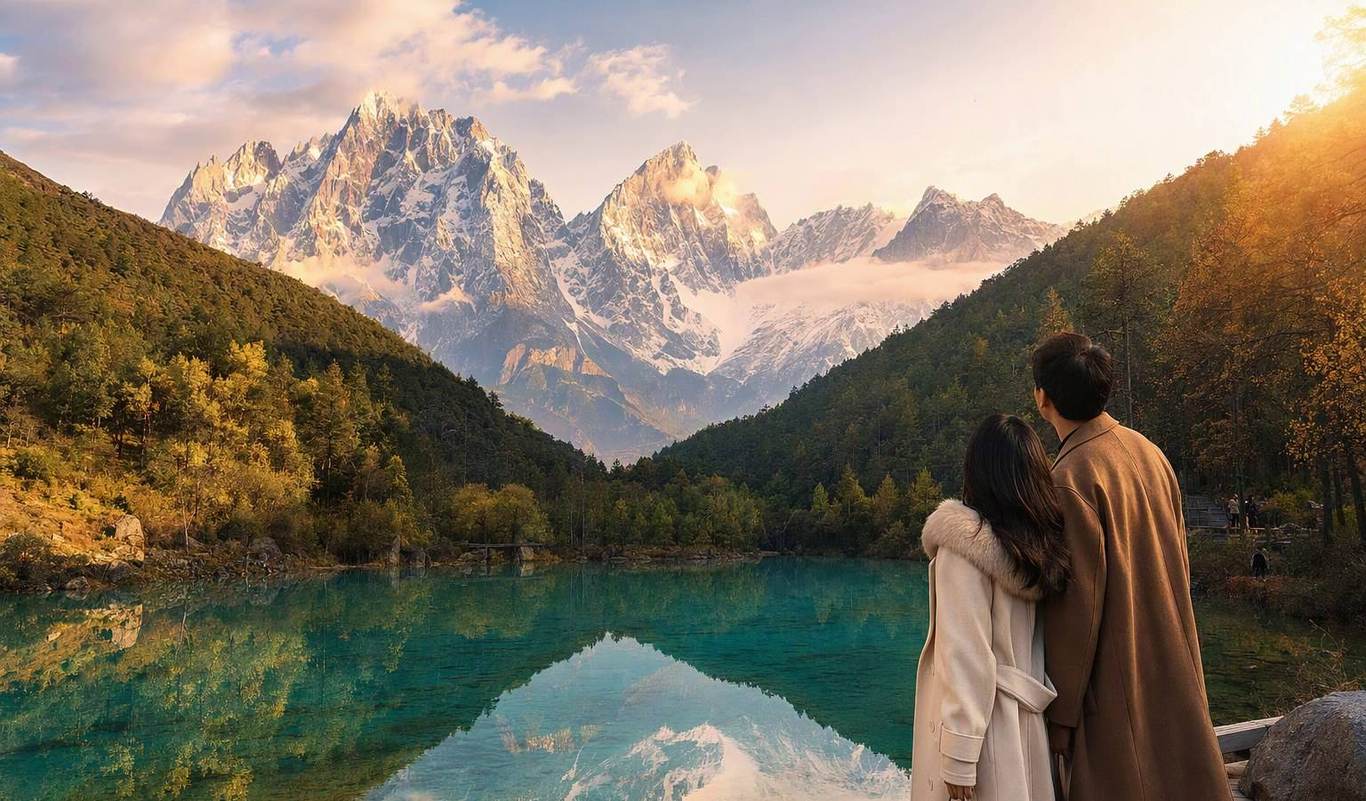
Kunming · Dali · Lijiang · Shangri-La

Yunnan is the most ethnically varied province in China and the one people extend their trip for. Naxi courtyard towns, Bai markets, Tibetan monasteries and Hani terraces, all within a few hundred kilometres. We run it with two or three bases rather than eight hotels, because the alternative is four hours of road a day that nobody remembers.

The Old Capital, Slowly

5–6 DAYS
Xi'an · Huashan · Foping

Most itineraries give Xi'an one rushed day between Beijing and Chengdu. Given five, it becomes a different trip: the warriors before the coach parties, the full wall circuit at dusk, noodle kitchens in the lanes behind the main drag, the granite pillars of Huashan, and panda habitat in the Qinling foothills.

Water Towns & Coast

8 DAYS
Shanghai · Suzhou · Hangzhou · Huangshan

The Yangtze delta does the country's most underrated low-key travelling: canal towns that predate Venice's trade routes, classical gardens, tea mountains, and the Yellow Mountain granite that every Chinese painter has copied at least once. Short transfers, gentle pace, excellent hotels.

Bay Area & Two Cities

6–8 DAYS
Guangzhou · Shenzhen · Macau

The fastest-moving part of China. Cantonese food culture, the hardware and manufacturing ecosystem that makes Shenzhen worth a working visit, then Portuguese-Italian Macau for dessert. Popular for business-plus-pleasure trips and for families with older children who want to see what the country is becoming rather than what it was.

The Silk Road West

14 DAYS
Xi'an · Lanzhou · Dunhuang · Turpan · Kashgar

The long one, and the one that converts people. Grotto libraries in the desert, a Uyghur city that feels a world away from the coast, and the empty kilometres between. It needs time and a tolerance for long driving days; we build it with domestic flights replacing the worst of the rail legs. Prepared to order rather than run as a fixed departure.

Built to orderBuilt to order

Rivers & Pandas

9 DAYS
Chengdu · Leshan · Chongqing · Yangtze

Sichuan is the country's food capital and the panda capital, and the Yangtze gorges are the reason people used to come to China at all. Done properly it is a slow-travelling route: a private car through the basin, then three nights on the water between Chongqing and Yichang.

Built to orderBuilt to order

Plateau & Frontier

12 DAYS
Chengdu · Lhasa · Shigatse · Everest

Tibet is permit-gated, altitude-governed and not a spontaneous add-on, which is exactly why it works as a private journey rather than a bus tour. We handle the permits, build acclimatisation into the sequence, and put oxygen in the vehicle. It is the trip people describe years later.

Permits arrangedBuilt to order
DAY BY DAY

Three sample itineraries, written the way we actually write them

Every plan we send has these columns: what happens, when it happens, and what we deliberately left out so the day does not collapse.

Ten days, first visit

10 DAYSBeijing · Xi'an · Guilin · Shanghai — the shape most people land on
DAY 1arrive

Arrive

Land in Beijing, private transfer, check-in near the hutongs. Deliberately nothing scheduled — jet lag decides the day.

DAY 2imperial

Imperial

The 6am start you chose: Temple of Heaven with the tai chi crowds before the gates open to tour groups, then the Forbidden City on the pre-opening slot.

DAY 3the wall

The wall

Mutianyu section of the Great Wall, reached before the coach parties, with the cable car up and the slide-tube down. Back through the Summer Palace at dusk.

DAY 4hutongs & rail

Hutongs & rail

A rickshaw loop through the drum-tower lanes and a noodle lunch with a local family, then the afternoon high-speed train to Xi'an.

DAY 5terracotta

Terracotta

The pits at opening time with a guide who has read the excavation reports, the Shaanxi history museum, then the Muslim Quarter kitchens after dark.

DAY 6the wall you can cycle

The wall you can cycle

Bike the full 13.7km circuit on top of the city wall, then fly to Guilin and take the boat down to Yangshuo.

DAY 7karst

Karst

Li River to Xingping for the scenery on the twenty-yuan note, cycling the paddy lanes behind West Street, a bamboo raft on the Yulong at sunset.

DAY 8west street

West street

Sunrise from Taohua Yuan, an unscheduled morning, then the flight to Shanghai.

DAY 9concession

Concession

Art-deco walk through the French Concession, Jing'an, the Bund at blue hour, and a rooftop dinner facing the skyline.

DAY 10depart

Depart

Pearl market or nothing at all, then the airport transfer with a name board and a driver who already has your flight number.

Seven days, compressed

7 DAYSBeijing · Xi'an · Shanghai — doable, but say yes to the early starts
DAY 1arrive

Arrive

Beijing. Nothing planned.

DAY 2imperial

Imperial

Temple of Heaven, Forbidden City, the wall at Mutianyu pushed to a very early start or dropped in favour of the Summer Palace.

DAY 3hutongs

Hutongs

Morning rickshaw loop, afternoon rail to Xi'an, evening wall cycle.

DAY 4terracotta

Terracotta

Warriors at opening, museum, Muslim Quarter dinner.

DAY 5fly

Fly

Morning in Xi'an, flight to Shanghai, the Bund at dusk.

DAY 6shanghai

Shanghai

French Concession, Yu Garden, Jing'an, a tea house in the old town.

DAY 7depart

Depart

Water-town half-day at Zhujiajiao if the flight is late, otherwise straight to the airport.

Fourteen days, the full south

14 DAYSBeijing · Xi'an · Guilin · Yangshuo · Kunming · Dali · Lijiang · Shanghai
DAY 1–3beijing

Beijing

As the ten-day plan, but with the capital museum or the Ming tombs instead of a second wall day.

DAY 4–5xi'an

Xi'an

Rail in, warriors, wall, kitchens.

DAY 6–8guilin

Guilin

Boat down the Li, two nights in Yangshuo, raft, caves, cycling.

DAY 9–12yunnan

Yunnan

Fly to Kunming, up to Dali on the lake, Lijiang's old town and the Naxi villages, Yulong雪山 with an early start.

DAY 13fly

Fly

Lijiang to Shanghai, evening on the Bund.

DAY 14depart

Depart

Slow morning, airport.

HOW TO SEQUENCE IT

Six rules that make a China itinerary work

One anchor every four days
Base yourself somewhere for three or four nights and take day trips out of it, rather than changing hotels every morning. Packing, check-in and the drive to the station eat half a day each time, and it is the half you wanted to spend somewhere interesting.
Rail under four hours, fly above that
High-speed rail is punctual, comfortable and drops you in the middle of the city: Shanghai to Hangzhou is 45 minutes, Beijing to Xi'an 4h20. Past about five hours the flight wins even after you add the airport transfer. We never book a rail leg that turns a sightseeing day into a travel day twice running.
Never backtrack
Enter through one gateway, leave through another. Beijing in, Shanghai out is the classic line for a reason: it flies you forward in a straight arc instead of doubling back through the same hub, and it puts the longest leg in the air at the end when you are tired.
Three things a day, maximum
The Terracotta Army, the wall and the Muslim Quarter in one day is a checklist; split across two and it is a memory. Every plan we write has one slot marked optional, and that slot is where the good conversations usually end up happening.
Build in one unscheduled afternoon
Every third day, put nothing in. Jet lag arrives on day two, not day one. A missed connection, a rainy afternoon or a town you did not want to leave all need somewhere to land, and the itinerary that has no slack is the one that breaks.
Route around the calendar, not through it
The first week of October and the Spring Festival week move close to a billion people. If those are your only dates, we shift you towards quieter regions and tell you honestly what you are walking into — rather than selling you a queue.
WHEN TO GO

China does not have one season. It has four at once.

Shangri-La can be snowing while Hainan is swimming weather in the same week. Plan by region, not by country.

North ChinaBEIJING · XI'AN

April to May and September to October. Spring is dry and bright; autumn has the clearest mountain light of the year. July and August are genuinely hot and the wall crowds peak. Winter is cold, grey, empty and cheap — snow on the city wall is the best photograph in Xi'an and it comes with no queue.

SouthwestYUNNAN · SICHUAN

Almost always. Yunnan's climate is the reason it is called the spring city province; October to April is dry, blue-skied and mild. Shangri-La is a different world in winter. Avoid the first week of October and the Spring Festival week, when domestic travel swamps everything.

Guilin & the SouthGUANGXI · GUANGDONG

April to October for the water — the Li River is at its best after rain and the paddies are green. But June to August is hot, humid and typhoon-adjacent. October and November are dry, warm and clear, and the rice is gold. Winter is mild, damp and almost empty.

Coast & DeltaSHANGHAI · HANGZHOU

March to May and October to November. Plum-rain season in June is grey and sticky; July to September is the typhoon window, which can move a flight. Winter is damp cold without central heating, which surprises people who read 'mild' on a chart.

GETTING IN & GETTING ROUND

The practical layer that decides how the trip feels

This is where a China-based agency earns its place. Not the sights — the logistics underneath them.

Do I need a visa?
It depends entirely on your passport, and the rules have changed several times in the last two years, so treat anything you read online — including this — as a starting point rather than an answer. Two routes are common: visa-free short stays for a growing list of nationalities, and the 240-hour visa-free transit, which lets you leave the airport and travel inside a defined region while connecting between two international flights. Where a visa is required we supply the official invitation letter, hotel confirmations and a day-by-day itinerary in the format the consulate expects, and we confirm the current rule for your nationality before you pay anything.
How do I pay for things?
Cards are accepted less widely than visitors expect. The working combination in China is a phone with Alipay or WeChat Pay set up before you fly — both now link to international cards — plus a small amount of cash for markets and temple stalls. We walk you through the setup during the planning stage rather than at the airport, and your guide carries a phone that can cover you on day one.
Will my phone work?
Data works fine on a local SIM or an eSIM bought before departure. A number of Western messaging and social apps do not connect reliably without preparation, so plan for that: download offline maps for every city, save your addresses in Chinese, and put your driver's number somewhere you can read when you have no signal. We include all of this in the daily itinerary document.
How do we get between cities?
High-speed rail for anything under about four hours — it is punctual, comfortable, and the station is usually closer to the centre than the airport. Fly the long gaps. Beijing to Xi'an is 4h20 by rail; Shanghai to Hangzhou is 45 minutes; Xi'an to Shanghai is a six-hour train or a two-hour flight, and we take the flight. Tickets are booked with your passport, which is why we need the details early.
Do we need a guide everywhere?
For the sites that carry history, yes — a terracotta pit without a guide is a hangar full of clay, and the difference between a laminated script and someone who has read the excavation reports is the whole experience. For the cities, a travelling butler for the duration is usually better value than a new guide in each place, because the same person learns how your party works. We mix the two: a local specialist for the museum days, one travelling butler for everything else.
Is China difficult to travel in with children or older parents?
It is easier than most people fear, and harder in one specific way: distance and walking. The fixes are structural rather than heroic — one anchor city every four days, hotels with lifts, cable cars and boats instead of stairs, a vehicle on standby at every site, and one unscheduled afternoon every third day. Tell us who is coming and we design around it.
WHAT YOU GET

Inclusions, plainly listed

Included in every MEIAN itinerary

  • Private vehicle and licensed driver for every ground day, fuel, tolls and parking included
  • One English-speaking guide or travelling butler across the whole journey, not a new face per city
  • Hotel selection and booking, with our own inspection notes on each property
  • All entry tickets and timed museum reservations named in the plan
  • Airport and station meets with a name board, and every transfer between
  • High-speed rail and domestic flights booked on your passport, seat class chosen with you
  • Daily itinerary document with addresses in Chinese for taxi use
  • 7×24 English emergency line for the length of the trip

Priced separately, never hidden

  • International flights to and from China (we can price and book them)
  • Visa fees and consulate charges
  • Meals, unless a specific restaurant is part of the plan
  • Travel insurance — required, and we will not sign off a plan without it
  • Tips, which are optional in China but expected by no one less for a good guide
  • Permit-gated regions such as Tibet, which need to be arranged in advance

A private China itinerary is quoted per party, not per seat, because the price moves with your dates, your hotel level and how much of the trip is on the move. Send us the shape and you get a real number rather than a guess.

QUESTIONS

Asked before booking a private China trip

How many days do I need for a first trip to China?

Ten is the honest answer, and it is the length most of our first-visit itineraries end up at. Seven days buys you three cities and a lot of airports; ten buys you three cities and actual time in them; fourteen lets you add the south and stop feeling like you are being moved around. If you only have a week, cut a city rather than shortening each one.

Can we really do Beijing, Xi'an, Guilin and Shanghai in ten days?

Yes, and that is the classic route. The sequencing matters more than the list: fly into Beijing, rail out to Xi'an, fly to Guilin for the river, fly out to Shanghai and leave from there. That order never backtracks and keeps every long leg in the air and every short one on the ground. The reverse order works too if your international flights are fixed.

What is the biggest planning mistake on a first China trip?

Booking too many cities. China is a continent with a government; the distances between the famous places are comparable to flying across Europe, and every transfer costs half a day. People build six cities into nine days and spend the trip in terminals. Two anchor bases with day trips out will feel like a longer holiday than four cities with nothing but arrivals.

Is a private tour actually cheaper than booking the pieces separately?

Not always, and we would rather say so than pretend. What you are buying is the coordination: timed museum reservations that individuals cannot get, a driver and vehicle on standby at every site, one person accountable for the whole sequence, and someone to sort out a missed rail connection at 9pm. For solo travellers on flexible itineraries the arithmetic can favour DIY. For anyone travelling with parents, with children, or with a short calendar, it usually does not.

How far in advance should we plan?

Three to four months for travel in the good seasons, and six if it touches October, the Spring Festival or July. The binding constraints are timed-entry museum reservations and hotel inventory in small towns like Ping'an on the Longji ridge, both of which sell out. A last-minute China trip is possible but it will be a narrower one.

When should we avoid travelling?

The first week of October and the Spring Festival week in January or February, which between them move close to a billion people and fill every train, attraction and hotel in the country. The May Day weekend is the same problem in miniature. If those dates are the only ones you have, we reroute towards quieter regions rather than pretending the crowds are not there.

Can you handle dietary requirements and accessibility?

Yes, and it is easier than in most countries once it is written down. Sichuan and Cantonese kitchens are both adaptable, vegetarian Buddhist restaurants are genuinely good, and hotels with lifts, step-free entrances and western bathrooms exist in every city we work in. Tell us at the brief stage and it becomes part of the plan rather than a conversation you have at the table.

Do you only run private tours, or group departures too?

Both. Private is what this page is about and where our attention is. We also run fixed-departure group tours, which suit solo travellers who want a set date and a lower cost. If a group departure matches your dates, we will tell you that it is the better answer rather than talking you into a private car you do not need.

GO DEEPER

City-by-city pages for the places on these routes

Send us the shape. We will send back a route that fits it.

Ten days in October, two of us, parents in their seventies, want the wall and the karst but not the crowds — that sentence is enough to start from. First consultation is free and carries no obligation to book.

Start my itinerary
ENQUIRY

Tell us who is travelling

Whether you already have flight dates or just a sentence — “first trip to China, ten days, with my parents” — that is enough for a first pass at a route.

Phone / WhatsApp+86 181 0276 0252
Live chatAsk an advisor in English
Emailguanfu@meiantour.cn
OfficeBroadcasting Business Hall, No.81 Xianlie Middle Road, Yuexiu, Guangzhou
Response promiseA dedicated designer replies within 48 hours; first consultation free, no obligation.

Your travel brief

Used only to prepare and contact you about this itinerary. Never shared with third parties.

MEIAN · Live AdvisorEnglish service availableUrgent: +86 181 0276 0252